
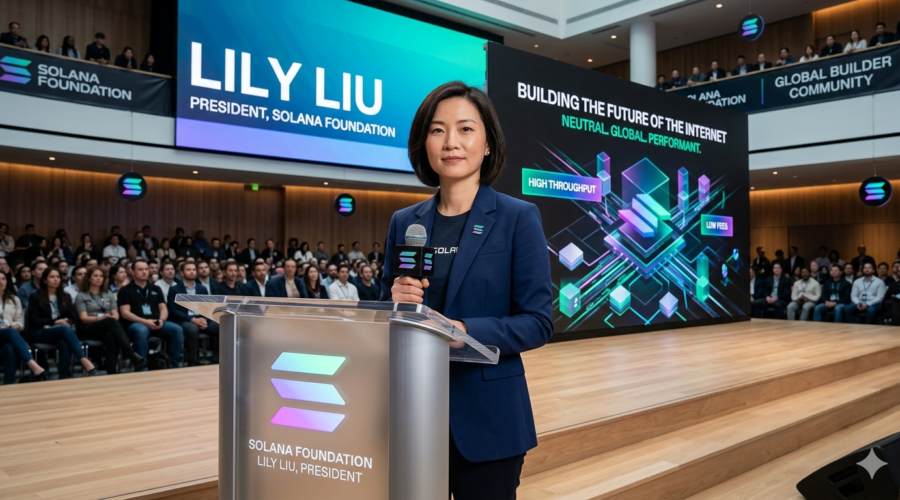
solana-foundation-president The blockchain and gaming industries have long been intertwined, promising a decentralized future where players truly own their digital assets. However, recent remarks by Lily Liu, President of the Solana Foundation, have sparked a significant discussion across the crypto and gaming communities. Her perspective on the current state and future relevance of Web3 gaming has ignited both optimism and skepticism.
The debate centers around whether Web3 gaming is genuinely revolutionizing the industry or if it remains an overhyped concept struggling to find mainstream adoption. As blockchain technology evolves, industry leaders, developers, and gamers are questioning its real-world value.
This article explores the controversy, examines the challenges facing Web3 gaming, and analyzes its potential future. By understanding both sides of the debate, we can better evaluate whether blockchain-based gaming will truly reshape the gaming ecosystem or fade into the background.
solana-foundation-president The Web3 Gaming and Its Core Promise
What Is Web3 Gaming?
Web3 gaming refers to video games built on blockchain technology, allowing players to own in-game assets, trade them freely, and participate in decentralized ecosystems. Unlike traditional games, where developers control all assets, Web3 gaming empowers users with true ownership through NFTs and cryptocurrencies.
The promise of Web3 gaming lies in decentralization, transparency, and player-driven economies. Gamers can earn rewards, monetize gameplay, and retain control over digital items, creating a new economic layer within gaming.
Why Web3 Gaming Gained Popularity
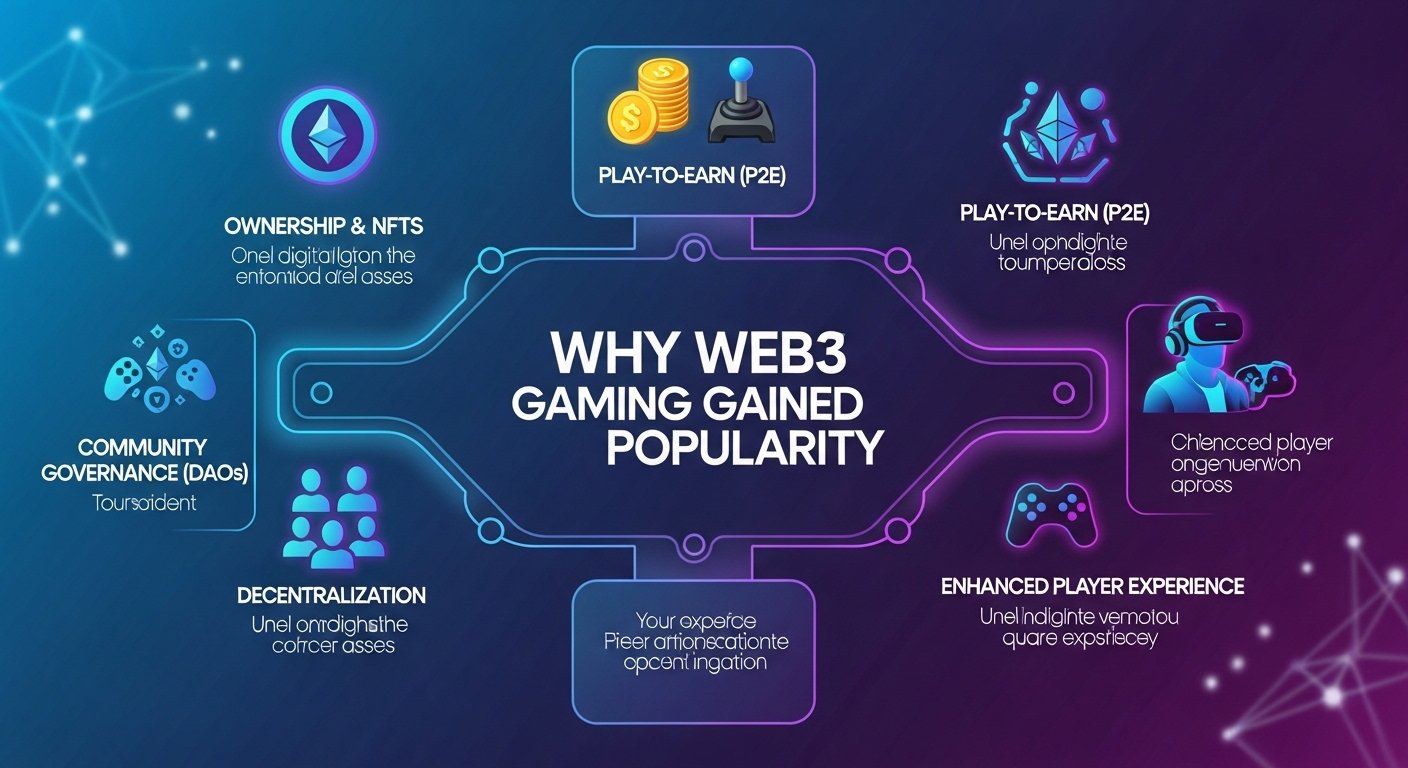
The rise of blockchain technology and the success of early projects fueled the popularity of Web3 gaming. Concepts like play-to-earn (P2E) attracted millions of users, especially in developing regions where gaming became a source of income.
The integration of DeFi elements, NFT marketplaces, and token economies made Web3 gaming a hot topic in both crypto and gaming sectors. Investors poured billions into blockchain gaming startups, expecting it to disrupt the traditional gaming industry.
Lily Liu’s Perspective on Web3 Gaming
The Statement That Sparked the Debate
Lily Liu raised critical questions about the current trajectory of Web3 gaming, suggesting that the industry might be overestimating its immediate relevance. Her comments highlighted the gap between hype and actual user adoption.
She emphasized that while blockchain technology has potential, many Web3 gaming projects fail to deliver engaging gameplay. Instead, they focus heavily on tokenomics, which may not sustain long-term player interest.
Key Concerns Raised
Liu’s perspective brought attention to several critical issues. One major concern is that many Web3 gaming platforms prioritize financial incentives over fun gameplay. This approach often results in short-lived user engagement.
Another issue is scalability and user experience. Blockchain-based games can be complex, requiring wallets, tokens, and technical knowledge, which creates barriers for mainstream gamers.
The Current State of Web3 Gaming
Adoption Challenges
Despite its promise, Web3 gaming has struggled with widespread adoption. Many players remain skeptical about blockchain integration, viewing it as unnecessary or even exploitative.
Traditional gamers often prefer seamless experiences, while Web3 gaming introduces additional steps such as wallet setup and transaction fees. This friction reduces accessibility and limits growth.
Market Trends and Investment
Although interest in Web3 gaming surged during the crypto boom, recent market conditions have cooled investor enthusiasm. Projects now face increased scrutiny regarding sustainability and real utility.
However, major blockchain ecosystems, including the Solana Foundation, continue to invest in gaming infrastructure, indicating long-term confidence in the sector.
Gameplay vs. Tokenomics: A Critical Imbalance
Why Gameplay Matters More
One of the central arguments in the debate is that gameplay should always come first. Traditional gaming success is driven by engaging mechanics, storytelling, and user experience—not financial incentives.
Many Web3 gaming projects fail because they treat gameplay as secondary. Without compelling content, players lose interest once rewards diminish.
The Problem with Play-to-Earn Models
The play-to-earn model initially attracted users, but it also created unsustainable economies. When token prices drop, players abandon the game, leading to a collapse in the ecosystem.
This highlights a key flaw in some Web3 gaming designs: over-reliance on speculative value rather than intrinsic entertainment.
Technological Barriers in Web3 Gaming
Scalability Issues
solana-foundation-president Blockchain networks often face scalability challenges, including slow transaction speeds and high fees. While networks like Solana aim to solve these issues, the broader Web3 gaming ecosystem still faces limitations.
User Experience and Accessibility
The complexity of blockchain technology can deter new users. Setting up wallets, managing private keys, and understanding gas fees are significant hurdles for mainstream adoption solana-foundation-president.
Improving user interfaces and simplifying onboarding processes are essential for the success of Web3 gaming.
The Role of Solana in Web3 Gaming
Why Solana Is a Key Player
solana-foundation-president The Solana Foundation has positioned itself as a major player in Web3 gaming due to its high-speed and low-cost transactions. These features make it attractive for game developers seeking scalability.
Ecosystem Growth
Solana’s ecosystem includes numerous gaming projects, NFT platforms, and developer tools. This infrastructure supports innovation and experimentation within Web3 gamingsolana-foundation-president.
However, even with these advantages, the platform faces the same fundamental challenge: creating games that people genuinely enjoy.
Community Reactions to the Debate
Support for Lily Liu’s Views
Many industry experts agree with Lily Liu, acknowledging that Web3 gaming needs to refocus on user experience. They believe her comments reflect a realistic assessment of the market.
Supporters argue that the industry must mature and move beyond hype to achieve sustainable growth.
Criticism and Counterarguments
On the other hand, some developers and investors disagree, arguing that Web3 gaming is still in its early stages. They believe innovation takes time and that current challenges are part of natural evolution.
Critics of Liu’s stance suggest that dismissing the relevance of Web3 gaming too early could overlook its long-term potential.
The Future of Web3 Gaming
Transition from Hype to Utility
The future of Web3 gaming likely depends on its ability to transition from hype-driven models to utility-based ecosystems. Games must offer real value beyond financial rewards.
Developers are increasingly focusing on integrating blockchain features seamlessly without compromising gameplay.
Integration with Traditional Gaming
A hybrid approach may define the next phase of Web3 gaming, where blockchain elements enhance rather than replace traditional gaming experiences.
This could include optional NFT ownership, decentralized marketplaces, and cross-game asset interoperability.
Key Opportunities Ahead
Ownership and Digital Identity
One of the strongest advantages of Web3 gaming is true ownership of digital assets. Players can trade, sell, or transfer items across platforms, creating a persistent digital identity.
New Economic Models
Blockchain enables innovative economic systems where players and developers share value. This could redefine how games are monetized and experienced.
Challenges That Must Be Overcome
Regulatory Uncertainty
Governments worldwide are still developing regulations for cryptocurrencies and NFTs. This uncertainty affects the growth of Web3 gaming.
Sustainability Concerns
Long-term sustainability remains a major issue. Projects must build stable economies that do not rely solely on token speculation.
Conclusion
The debate sparked by Lily Liu over the relevance of Web3 gaming highlights a critical moment in the industry’s evolution. While blockchain technology offers transformative potential, its success in gaming depends on execution rather than concept.
The current state of Web3 gaming reveals both promise and shortcomings. To achieve mainstream adoption, developers must prioritize gameplay, simplify user experiences, and build sustainable ecosystems.
Rather than signaling the end of Web3 gaming, this debate may serve as a necessary wake-up call. By addressing its challenges, the industry can move closer to fulfilling its original vision of a decentralized, player-driven gaming future.
FAQs
1. What did Lily Liu say about Web3 gaming?
Lily Liu raised concerns about the current relevance of Web3 gaming, emphasizing the gap between hype and actual user engagement.
2. Why is Web3 gaming struggling with adoption?
Web3 gaming faces challenges such as complex user interfaces, scalability issues, and a lack of engaging gameplay compared to traditional games.
3. Is Web3 gaming still worth investing in?
While risky, Web3 gaming still holds long-term potential, especially as technology improves and developers focus on better user experiences.
4. How is Solana contributing to Web3 gaming?
The Solana Foundation supports Web3 gaming through fast, low-cost blockchain infrastructure and a growing ecosystem of projects solana-foundation-president.
5. What is the future of Web3 gaming?
The future of Web3 gaming lies in balancing gameplay with blockchain features, creating sustainable economies, and integrating with traditional gaming models solana-foundation-president.
[…] What should traders watch this weekend? Traders should watch whether the Bitcoin price remains stable at $70K and whether the altcoin market continues to stay calm. These factors will […]